Flash Ironmaking is an innovative process that directly reduces iron ore concentrates into metallic iron using gaseous reductants like natural gas or hydrogen. This method eliminates the need for traditional steps such as cokemaking and sintering, offering a more efficient and environmentally friendly approach to iron production.
The concept of Flash ironmaking draws inspiration from the Flash smelting process used in copper production, where fine concentrates are rapidly oxidized in a high-temperature furnace. In the early 21st century, researchers began exploring the adaptation of this technique for ironmaking to address the steel industry’s challenges, including high energy consumption and significant CO₂ emissions.
Professor H.Y. Sohn from the University of Utah was instrumental in developing this technology. He proposed a process where fine iron ore concentrates are injected into a high-temperature reactor, undergoing rapid reduction by a gaseous reductant. This method aimed to produce iron efficiently while reducing the environmental impact associated with traditional blast furnace operations.
In the Flash ironmaking process, fine iron ore concentrates are entrained in a reducing gas stream and injected into a reactor operating at elevated temperatures. The iron oxides are rapidly reduced to metallic iron within seconds, contrasting with the prolonged reduction times in conventional methods. The primary reducing agents considered for this process are natural gas and hydrogen, both of which offer advantages in terms of energy efficiency and reduced CO₂ emissions.
Developed through extensive research, including contributions from Professor Zhang Wenhai and his team, the process involves injecting finely ground iron ore into a high-temperature furnace. This generates an explosive chemical reaction that produces high-purity molten iron droplets, which collect at the furnace’s base. This molten iron is ready for immediate use in casting or one-step steelmaking, streamlining production like never before.
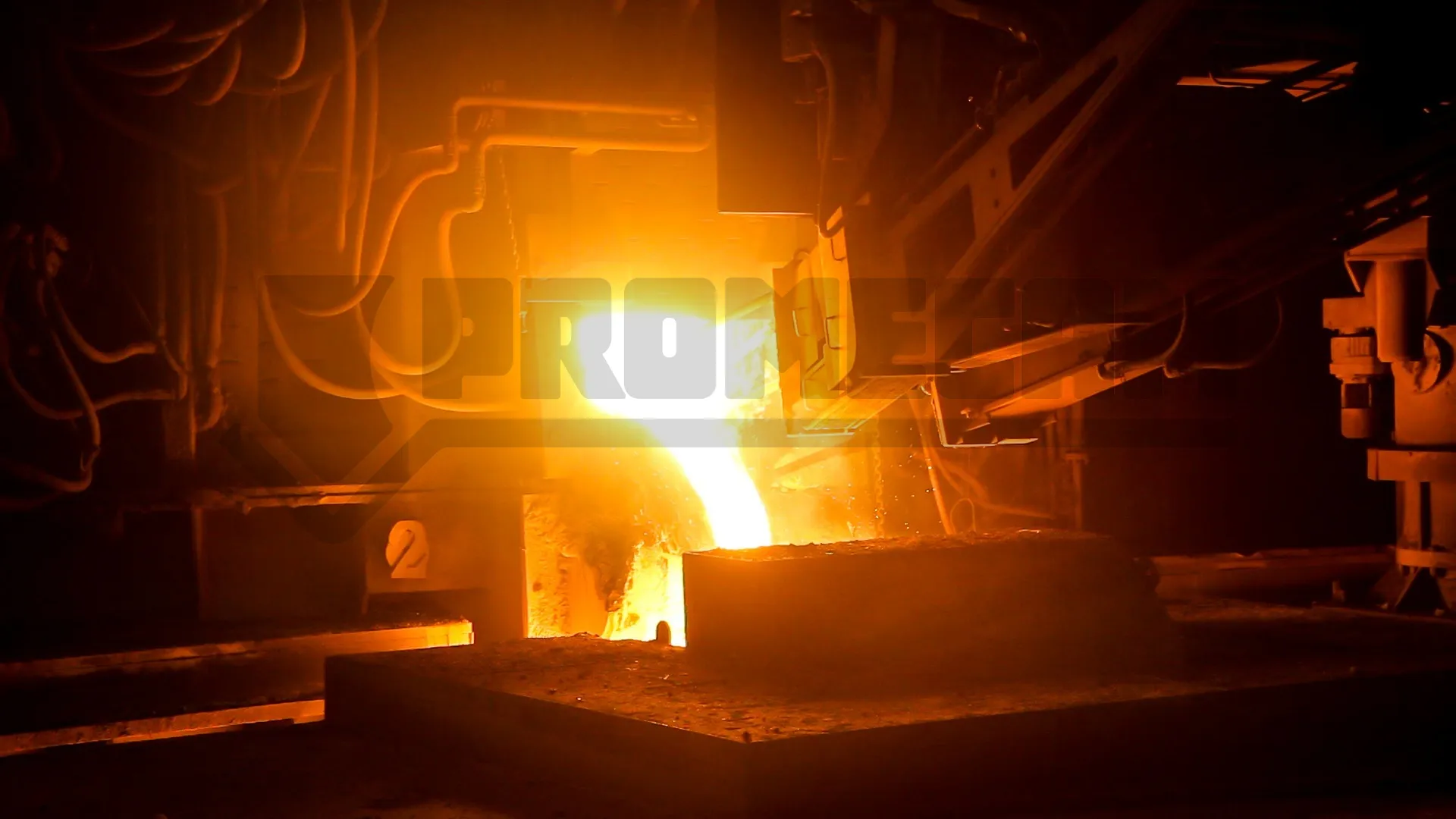
One of the standout features of Flash Ironmaking is its ability to work with low- or medium-yield iron ores. These ores are abundant in regions like China, reducing dependence on expensive, high-yield ores typically imported from countries such as Australia and Brazil. This shift lowers production costs and strengthens local resource utilization.
The environmental benefits are equally groundbreaking. By eliminating the need for coal, Flash Ironmaking supports near-zero carbon emissions, aligning with global goals for sustainable industrial practices. The process is also highly energy-efficient, promising a 30-35% improvement in energy use compared to traditional methods.
At the heart of Flash Ironmaking is the ore-spraying lance, an advanced tool designed to disperse iron ore evenly in the furnace’s high-temperature environment. Recent advancements include a vortex lance capable of handling up to 450 tonnes of iron ore per hour, making large-scale production feasible. The commercialization of such components marks significant progress toward widespread industrial adoption.
Despite its potential, Flash ironmaking faces challenges that must be addressed for commercial viability:
Ongoing research focuses on optimizing reactor designs, improving process control, and integrating renewable energy sources to produce green hydrogen. Collaborations between academic institutions, industry stakeholders, and government agencies are crucial in advancing Flash ironmaking technology toward commercial implementation.
The ability of Flash Ironmaking to utilize lower-grade iron ore could significantly alter global economic dynamics, particularly in the steel industry. Traditionally, countries like China have relied heavily on importing high-grade iron ore from major suppliers such as Australia, Brazil, and Africa to meet their production demands. This dependency not only incurs high costs but also makes steel production vulnerable to price fluctuations and geopolitical tensions.
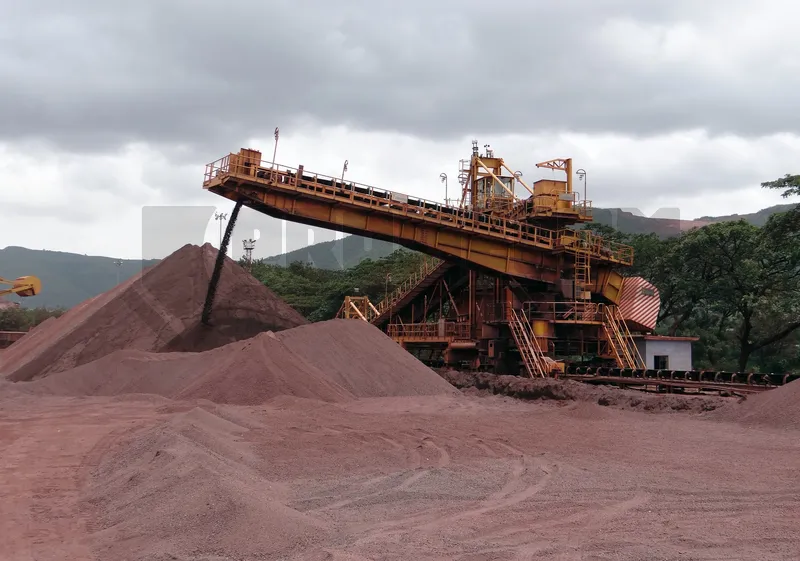
By enabling the direct use of abundant low- and medium-grade ores, Flash Ironmaking can reduce China’s reliance on imported ore, potentially disrupting global trade flows. For resource-rich countries, especially those that dominate high-grade ore exports, this shift may lead to a decrease in demand, pressuring their mining industries and economies. On the other hand, nations with abundant lower-grade ore reserves could see a surge in their resource utilization, creating new economic opportunities and fostering local industrial growth.
This redistribution of demand could also encourage a more equitable global iron ore market, reducing the monopolistic influence of a few key exporters and fostering greater resilience in the supply chain. Ultimately, the widespread adoption of Flash Ironmaking could reshape economic relationships within the steel industry and lead to a more diversified and stable global trade network.


